Embark on a journey delving into the contrasts between Christianity and other religions, exploring their core beliefs, practices, and impact on society.
From salvation to spirituality, this exploration promises to uncover intriguing insights into the diverse world of religious beliefs.
Christianity vs. Other Religions
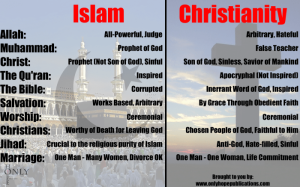
Christianity is one of the major world religions with distinct beliefs, practices, and concepts compared to other faiths. Let’s explore how Christianity differs from at least two other major religions in terms of core beliefs, rituals, and the concept of salvation.
Core Beliefs
- Christianity: Belief in the Holy Trinity, consisting of God the Father, God the Son (Jesus Christ), and God the Holy Spirit. The belief in Jesus Christ as the Son of God and the savior of humanity is central to Christianity.
- Islam: Belief in the oneness of Allah (God) and the finality of the prophethood of Muhammad. The Quran is considered the holy book of Islam, guiding adherents in all aspects of life.
- Hinduism: Belief in reincarnation, karma, and the existence of multiple gods and goddesses. The ultimate goal in Hinduism is to achieve moksha, liberation from the cycle of birth and death.
Practices and Rituals
- Christianity: Sacraments such as baptism and communion are central to Christian worship. Churches play a significant role in Christian rituals and ceremonies.
- Islam: Daily prayers (Salah), fasting during Ramadan, giving alms (Zakat), and performing the pilgrimage to Mecca (Hajj) are essential practices in Islam.
Concept of Salvation
- Christianity: Salvation in Christianity is believed to come through faith in Jesus Christ as the savior and the acceptance of his sacrifice on the cross for the redemption of sins.
- Buddhism: Salvation in Buddhism is associated with achieving enlightenment and breaking free from the cycle of birth, death, and rebirth (samsara) through the practice of the Eightfold Path and meditation.
Christianity’s Influence on Culture and Society

Christianity has had a profound impact on various aspects of culture and society, including art, architecture, legal systems, and holidays. Let’s explore how this religion has shaped the world in these areas.
Art and Architecture
Christianity has played a significant role in shaping art and architecture throughout history. From the intricate stained glass windows of Gothic cathedrals to the iconic paintings of the Renaissance, Christian themes and symbols have been central to many artistic masterpieces. The depiction of biblical stories, religious figures, and sacred scenes has been a common theme in Western art, reflecting the influence of Christianity on artistic expression.
Impact on Western Legal Systems
The influence of Christianity on Western legal systems is undeniable. Many legal principles and ethical values in Western societies can be traced back to Christian teachings. Concepts such as justice, equality, and human rights have been deeply influenced by Christian beliefs. The Ten Commandments, for example, have had a significant impact on the development of legal codes in Western countries.
Christian Holidays and Festivals
Christian holidays and festivals, such as Christmas and Easter, hold a special place in the hearts of believers and non-believers alike. These celebrations are not only religious observances but also cultural events that bring people together. The traditions associated with Christian holidays, such as gift-giving, feasting, and community gatherings, have become ingrained in many societies around the world.
Morality and Ethics in Christianity and Other Religions
In exploring the moral teachings and ethical principles of different religions, we can gain insights into how various faith traditions guide their followers on the concepts of right and wrong, sin and redemption, forgiveness, and compassion.
Christianity’s Moral Teachings
Christianity emphasizes love, compassion, and forgiveness as central tenets of its moral teachings. The Golden Rule, “Do unto others as you would have them do unto you,” underscores the importance of treating others with kindness and empathy. The Ten Commandments provide a moral framework for ethical behavior, outlining principles such as honoring one’s parents, not lying or stealing, and avoiding adultery.
Concept of Sin and Redemption
In Christianity, sin is seen as a violation of God’s will and a separation from His grace. The belief in original sin, inherited from Adam and Eve’s disobedience in the Garden of Eden, underscores the fallen nature of humanity. Redemption is achieved through faith in Jesus Christ as the Savior, who sacrificed himself on the cross to atone for humanity’s sins.
This concept of salvation through grace sets Christianity apart from other religions that may emphasize works-based righteousness or karma.
Role of Forgiveness and Compassion
Forgiveness and compassion are central themes in Christianity, exemplified by Jesus’ teachings to forgive others and show mercy. The parable of the Prodigal Son illustrates the importance of forgiveness and the unconditional love of God. Christians are called to extend grace and compassion to others, following the example set by Christ. This emphasis on forgiveness sets Christianity apart from religions that may focus more on justice or retribution.
Religion and Spirituality
Religion and spirituality are often intertwined but have distinct differences. Religion typically involves organized beliefs, practices, and rituals within a specific institutional framework, while spirituality is more personal and focuses on the inner experience of connection to something greater than oneself.
Role of Rituals and Practices
Rituals and practices play a crucial role in cultivating spirituality within different religions. These can include prayer, meditation, fasting, and specific ceremonies that help individuals connect with the divine or higher power. For example, in Christianity, rituals like baptism, communion, and confession are important practices that deepen one’s spiritual connection with God.
Perception of a Higher Power
The concept of a higher power varies across different religious and spiritual traditions. In monotheistic religions like Christianity, Islam, and Judaism, there is a belief in one supreme deity. On the other hand, polytheistic religions like Hinduism and ancient Greek religion involve multiple gods and goddesses. In spirituality, the higher power is often seen as a universal energy or consciousness that transcends individual beliefs and religions.
Epilogue
As we conclude our exploration of Christianity vs. Other Religions, the rich tapestry of differences and similarities offers a deeper understanding of diverse faiths and their influence on humanity.
FAQ Summary
How do core beliefs in Christianity differ from other major world religions?
Christianity’s emphasis on salvation through Jesus Christ sets it apart from many other faiths that have different paths to enlightenment or salvation.
What impact has Christianity had on art and architecture compared to other religions?
Christianity’s influence on art and architecture is profound, with iconic works like the Sistine Chapel showcasing the religious themes prevalent in Western culture.
How does the concept of sin and redemption in Christianity differ from other faiths?
Christianity views sin as a transgression against God, and redemption is achieved through faith in Jesus Christ, contrasting with other religions that may have different interpretations of sin and redemption.